Sortowanie
Źródło opisu
Legimi
(1854)
Forma i typ
E-booki
(1577)
Audiobooki
(277)
Autor
Гурвич Владимир
(44)
Паустовский Константин
(38)
Twain Mark
(35)
Скачко Борис
(34)
Белова Марина
(33)
Булгаков Михаил
(31)
Олди Генри Лайон
(28)
Гармаш-Роффе Татьяна
(27)
Голицына Галина
(24)
Достоевский Федор
(21)
Чернов Александр
(20)
Обухова Оксана
(19)
Чехов Антон Павлович
(17)
Henry O
(15)
Howard Robert E
(14)
Lovecraft H.P
(14)
Poe Edgar Allan
(14)
Shakespeare William
(14)
Успенский Михаил
(14)
Агранянц Олег
(13)
Гурин Глеб
(13)
Нелидова Надежда
(13)
Августин Блаженный
(12)
Ильф Илья
(12)
Doyle Arthur Conan
(11)
Verne Jules
(11)
Платон
(11)
Рэйн Элла
(11)
Уайльд Оскар
(11)
Шекспир Уильям
(11)
London Jack
(10)
Shelley Percy Bysshe
(10)
Быков Иван
(10)
Верн Жюль
(10)
Колосов Игорь
(10)
Первушина Татьяна
(10)
Полежаева Инна
(10)
Bulgakov Mikhail
(9)
Альт Леонид
(9)
Костельман В
(9)
Олди Г.Л
(9)
Цвейг Стефан
(9)
Gibran Kahlil
(8)
Orwell George
(8)
Wilde Oscar
(8)
Глемба Иван
(8)
Гоголь Николай Васильевич
(8)
Джером Джером К
(8)
Дюма Александр
(8)
Куприн Александр
(8)
Chesterton G.K
(7)
Plato
(7)
Stevenson Robert Louis
(7)
Дойл Артур Конан
(7)
Измайлова Кира
(7)
Мищенко Елена
(7)
Подгайская Лилия
(7)
Рахаева Юлия
(7)
Семёнова Марина
(7)
Тараненко Владимир
(7)
Українка Леся
(7)
Alighieri Dante
(6)
Chekhov Anton
(6)
Гоголь Николай
(6)
Семык Оксана
(6)
Толстой Лев
(6)
Фицджеральд Фрэнсис Скотт
(6)
Чернышев Вадим Павлович
(6)
Blackwood Algernon
(5)
Dickens Charles
(5)
Emerson Ralph Waldo
(5)
Euripides
(5)
Gandhi Mahatma
(5)
Machen Arthur
(5)
Shinn Florence Scovel
(5)
Stein Gertrude
(5)
Wells H. G
(5)
Zweig Stefan
(5)
Боброва Екатерина
(5)
Брэдбери Рэй
(5)
Гримм Братья
(5)
Золя Эмиль
(5)
Ибсен Генрик
(5)
Оруэлл Джордж
(5)
Островецкая Ирина
(5)
Пушкин Александр Сергеевич
(5)
Рогоза Юрий
(5)
Шаргородская Инна
(5)
авторов Коллектив
(5)
Andersen Hans Christian
(4)
Cadette Lilia
(4)
Douglass Frederick
(4)
Lenin Vladimir
(4)
Marx Karl
(4)
Shelley Mary
(4)
Tzu Sun
(4)
Wattles Wallace D
(4)
Акулова Анастасия
(4)
Аристотель
(4)
Багряний Іван
(4)
Rok wydania
2020 - 2026
(1564)
2010 - 2019
(288)
2000 - 2009
(1)
1990 - 1999
(1)
Kraj wydania
Polska
(1854)
Język
polski
(1854)
1854 wyniki Filtruj
E-book
W koszyku
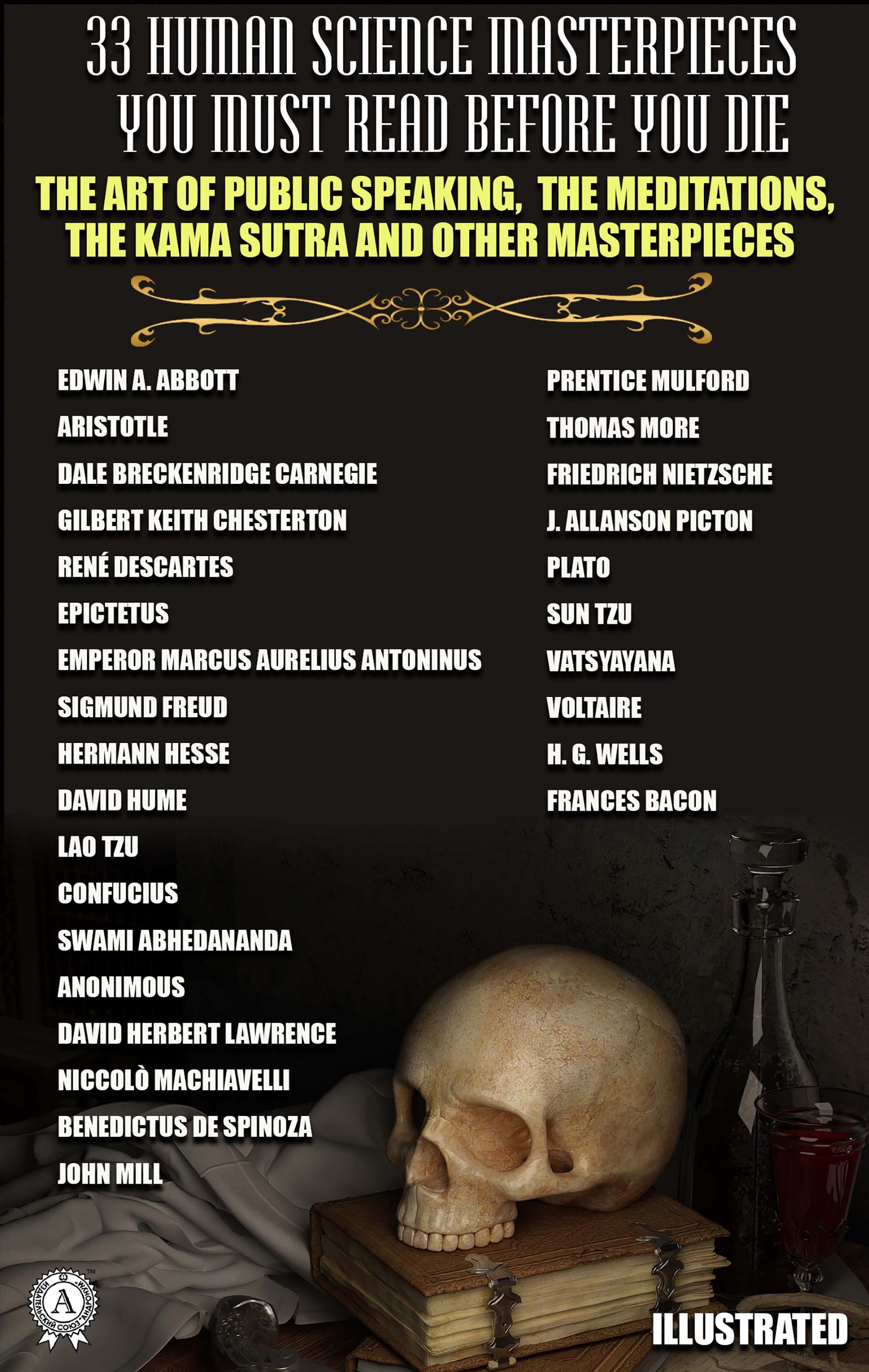
We live in an era rife with cultural conflict. The 21st century is by no means free of wars, terrorism, riots, famine, nor epidemics. We may attempt to solve the challenges of our times by uniting the humanistic disciplines of philosophy, science, and technology. Our modern reality requires a fundamental understanding of the problems beleaguering our existence. Science and literature are key tools for gaining this insight. The wisdom accumulated throughout the centuries by scientists, philosophers, and writers is a solid foundation on which modern man can build the future. Our ability to learn from those who have come before is precisely what led Protagoras to declare that "Man is the measure of all things." The 33 works in this book possess foundational importance and continue to influence our modern world. The reader of these texts is well-positioned to understand causes and plot new paths away from the problems that plague us. Contents: Edwin A. Abbott. Flatland: A Romance of Many Dimensions Aristotle. Ethics Aristotle. Poetics Dale Breckenridge Carnegie. The Art of Public Speaking Gilbert Keith Chesterton. Eugenics and Other Evils Gilbert Keith Chesterton. What's Wrong With The World René Descartes. Discourse on the Method Epictetus. The Golden Sayings of Epictetus The Meditations Of The Emperor Marcus Aurelius Antoninus Sigmund Freud. Dream Psychology Hermann Hesse. Siddhartha David Hume. Dialogues Concerning Natural Religion Lao Tzu. Tao Te Ching Confucius. Analects Swami Abhedananda. Five Lectures On Reincarnation The Song Celestial, Or Bhagavad-Gita (From the Mahabharata) David Herbert Lawrence. Fantasia of the Unconscious Niccolò Machiavelli. The Art of War Niccolò Machiavelli. The Prince Benedictus de Spinoza. The Ethics John Mill. On Liberty John Mill. Utilitarianism Prentice Mulford. Thoughts are Things Thomas More. Utopia Friedrich Nietzsche. Thus Spake Zarathustra Friedrich Nietzsche. Beyond Good and Evil Friedrich Nietzsche. The Antichrist J. Allanson Picton. Pantheism Plato. The Republic Plato. The Apology Of Socrates Plato. Symposium Sun Tzu. The Art of War Vatsyayana. The Kama Sutra Voltaire. Candide H. G. Wells. A Modern Utopia Frances Bacon. The New Atlantis
Ta pozycja jest dostępna przez Internet. Rozwiń informację, by zobaczyć szczegóły.
Dostęp do treści elektronicznej wymaga posiadania kodu dostępu, który można odebrać w bibliotece.
Audiobook
W koszyku

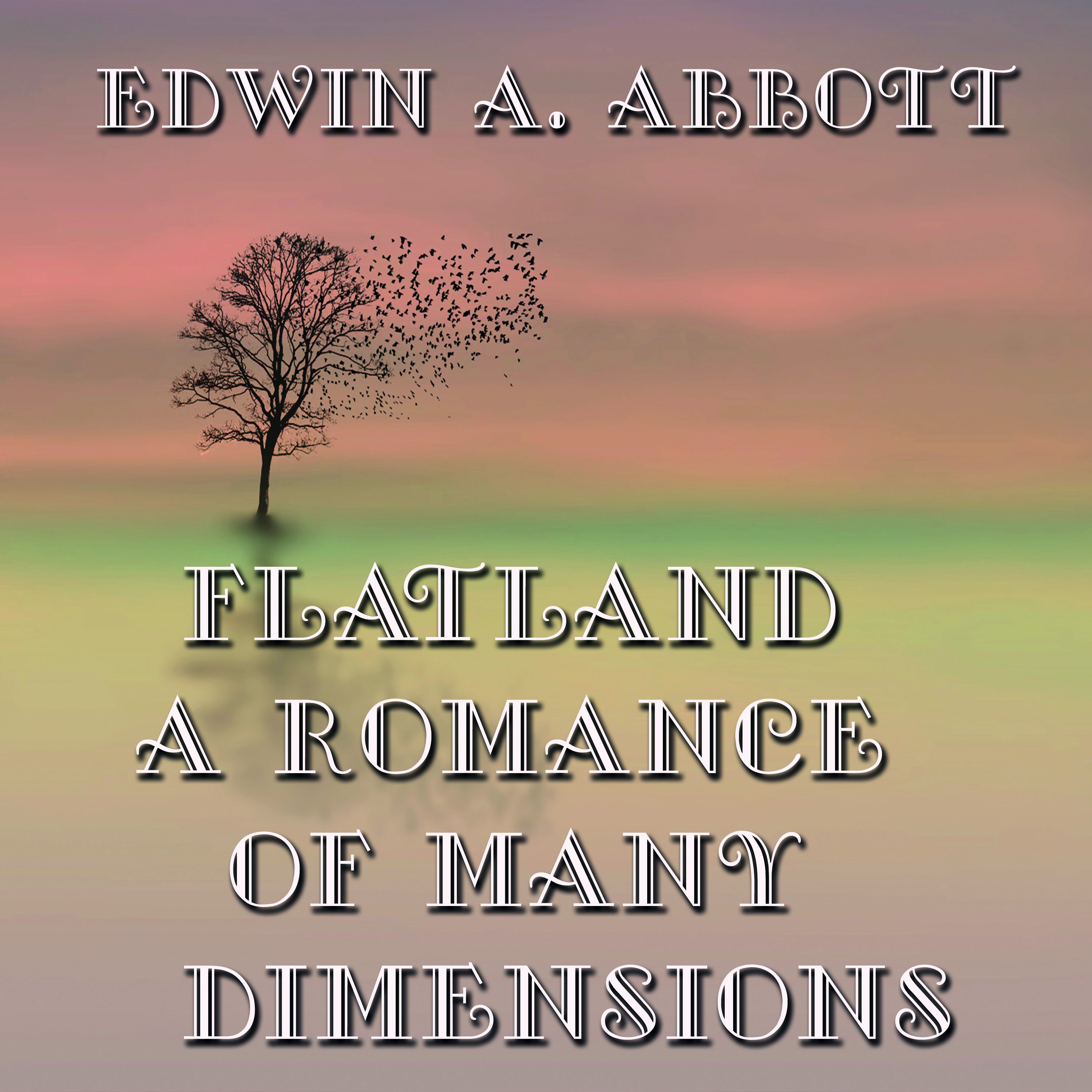
Flatland: A Romance of Many Dimensions is a satirical novella by the English schoolmaster Edwin Abbott Abbott, first published in 1884 by Seeley & Co. of London. Written pseudonymously by "A Square", the book used the fictional two-dimensional world of Flatland to comment on the hierarchy of Victorian culture, but the novella's more enduring contribution is its examination of dimensions.

Several films have been made from the story, including the feature film Flatland (2007). Other efforts have been short or experimental films, including one narrated by Dudley Moore and the short films Flatland: The Movie (2007) and Flatland 2: Sphereland (2012).

The story describes a two-dimensional world occupied by geometric figures, whereof women are simple line-segments, while men are polygons with various numbers of sides. The narrator is a square, a member of the caste of gentlemen and professionals, who guides the readers through some of the implications of life in two dimensions. The first half of the story goes through the practicalities of existing in a two-dimensional universe as well as a history leading up to the year 1999 on the eve of the 3rd Millennium.

On New Year's Eve, the Square dreams about a visit to a one-dimensional world (Lineland) inhabited by "lustrous points". These points are unable to see the Square as anything other than a set of points on a line. Thus, the Square attempts to convince the realm's monarch of a second dimension; but is unable to do so. In the end, the monarch of Lineland tries to kill A Square rather than tolerate his nonsense any further...

Ta pozycja jest dostępna przez Internet. Rozwiń informację, by zobaczyć szczegóły.
Dostęp do treści elektronicznej wymaga posiadania kodu dostępu, który można odebrać w bibliotece.
E-book
W koszyku
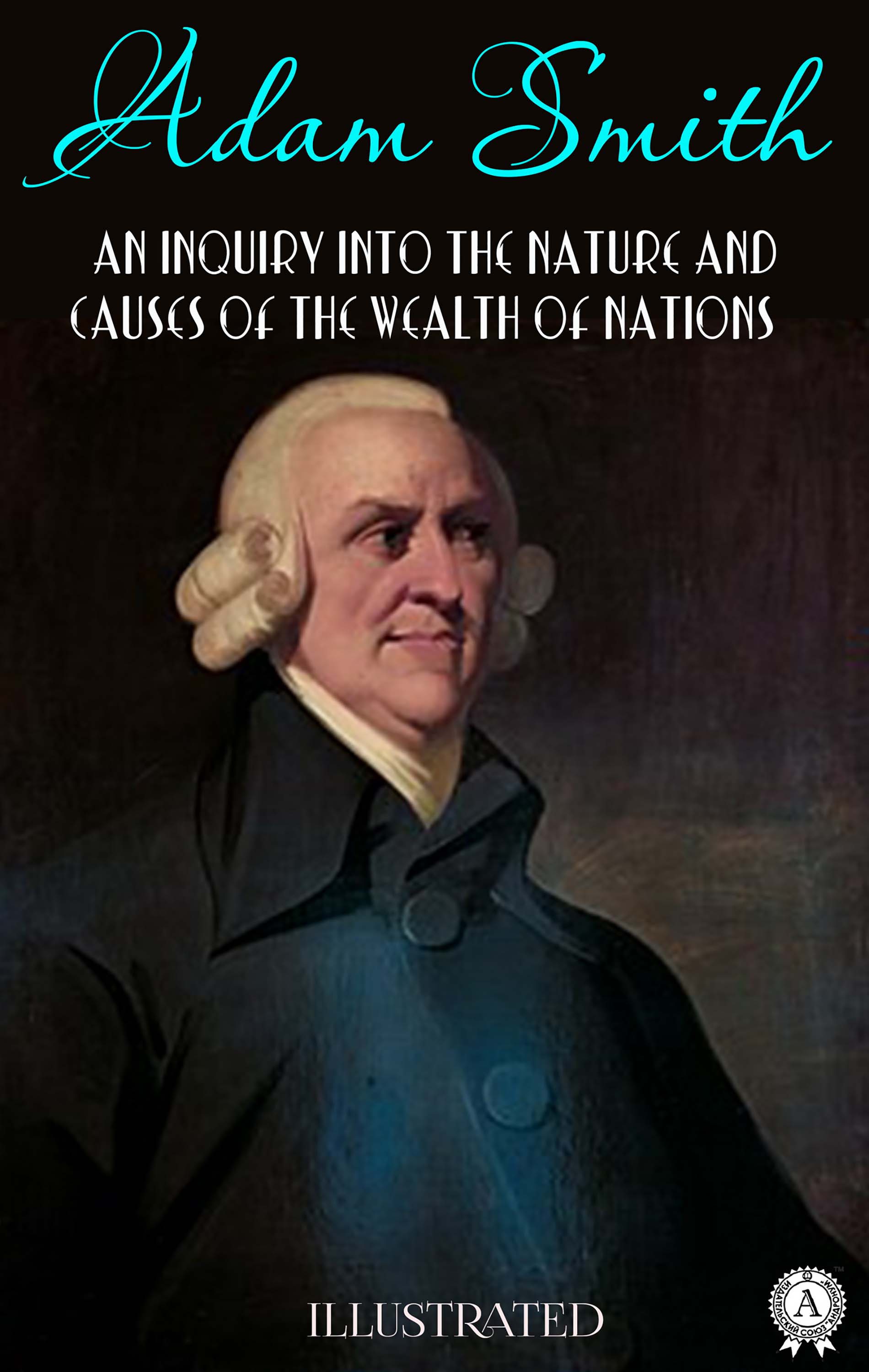
The Wealth of Nations, is the magnum opus of the Scottish economist and moral philosopher Adam Smith. By reflecting upon the economics at the beginning of the Industrial Revolution, the book touches upon such broad topics as the division of labour, productivity, and free markets. The Wealth of Nations is the second most cited book in the social sciences published before 1950, behind Karl Marx's Das Kapital.
Ta pozycja jest dostępna przez Internet. Rozwiń informację, by zobaczyć szczegóły.
Dostęp do treści elektronicznej wymaga posiadania kodu dostępu, który można odebrać w bibliotece.
E-book
W koszyku
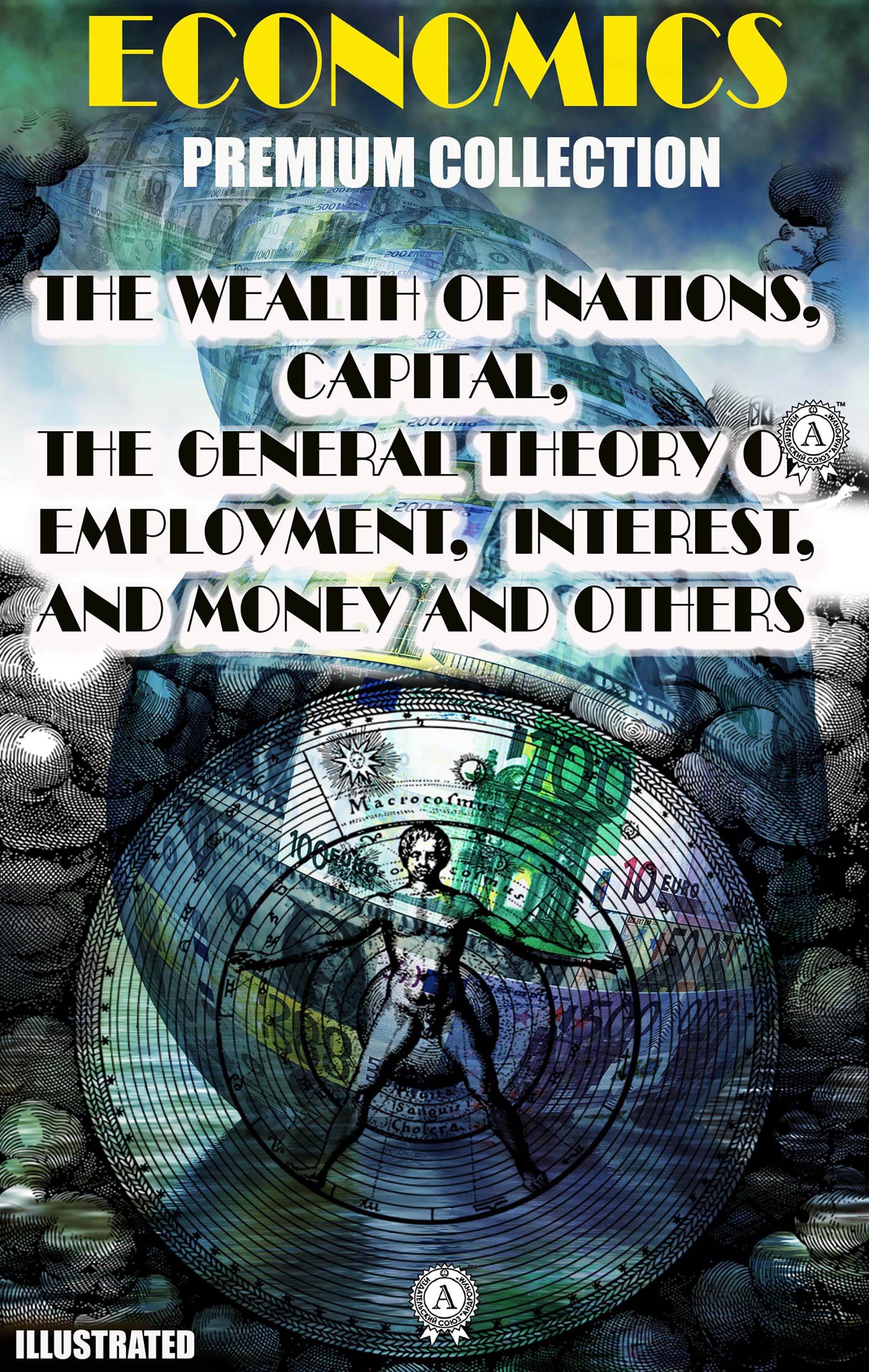
Economics is a social science concerned with the production, distribution, and consumption of goods and services. It studies how individuals, businesses, governments, and nations make choices about how to allocate resources. Economics can generally be broken down into macroeconomics, which concentrates on the behavior of the economy as a whole, and microeconomics, which focuses on individual people and businesses. The founding of modern Western economics generally credited to the publication of Scottish philosopher Adam Smith's 1776 book, An Inquiry Into the Nature and Causes of the Wealth of Nations. In this book, the classic works of the founders of economic theory are selected. Contents: The Wealth of Nations by Adam Smith On the Principles of Political Economy and Taxation by David Ricardo Capital by Karl Marx Principles of Economics by Alfred Marshall The General Theory of Employment, Interest, and Money by John Maynard Keynes
Ta pozycja jest dostępna przez Internet. Rozwiń informację, by zobaczyć szczegóły.
Dostęp do treści elektronicznej wymaga posiadania kodu dostępu, który można odebrać w bibliotece.
Audiobook
W koszyku

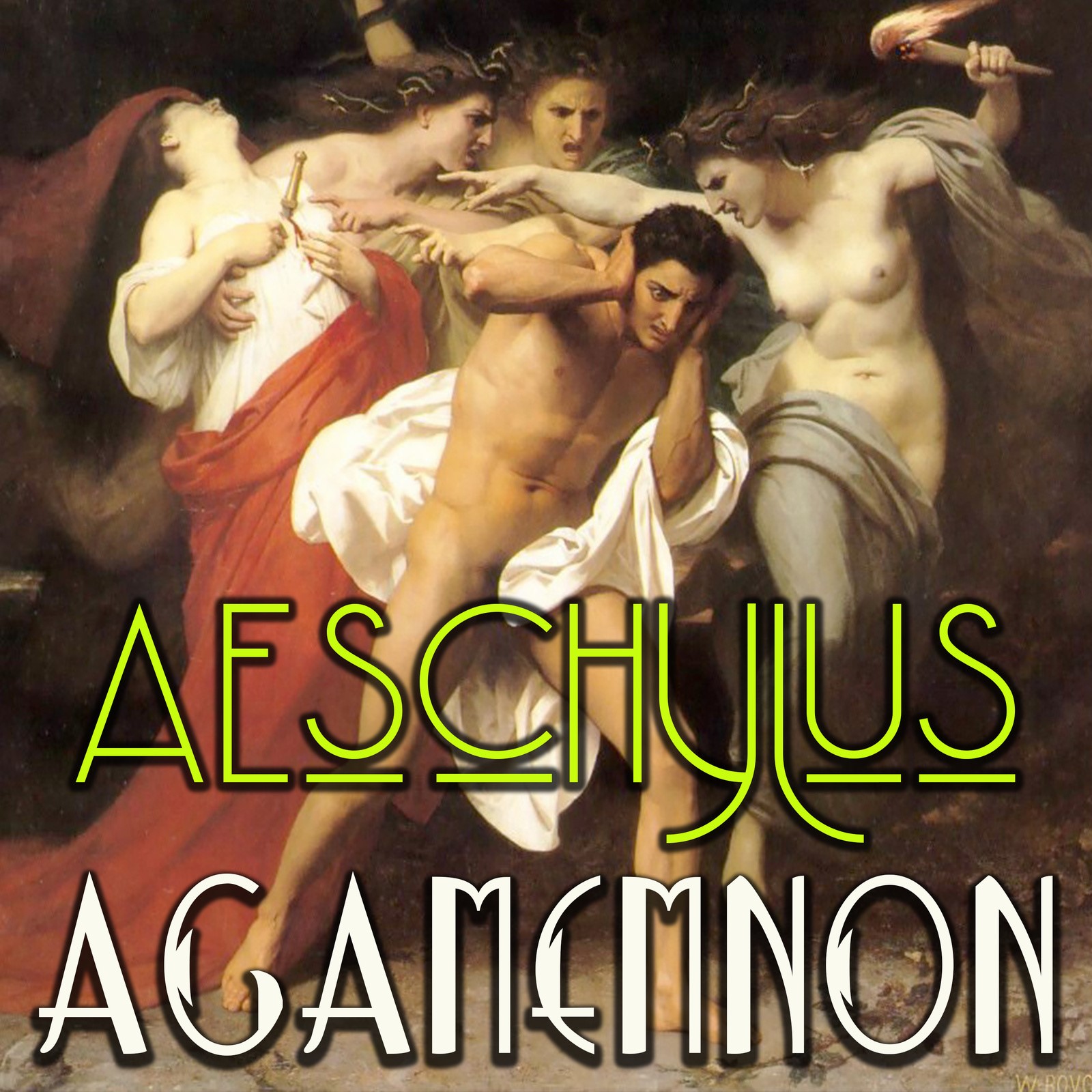
“Agamemnon” is the first of the three linked tragedies which make up “The Oresteia” trilogy by the ancient Greek playwright Aeschylus. Trilogy as a whole, originally performed at the annual Dionysia festival in Athens in 458 BCE, where it won first prize, is considered to be Aeschylus‘ last authenticated, and also his greatest, work.

“Agamemnon” describes the homecoming of Agamemnon, king of Argos, from the Trojan War, and his return to his wife, Clytemnestra, who had been planning his murder (in concert with her lover, Aegisthus) as revenge for Agamemnon‘s earlier sacrifice of their daughter, Iphigenia.

Ta pozycja jest dostępna przez Internet. Rozwiń informację, by zobaczyć szczegóły.
Dostęp do treści elektronicznej wymaga posiadania kodu dostępu, który można odebrać w bibliotece.
Audiobook
W koszyku

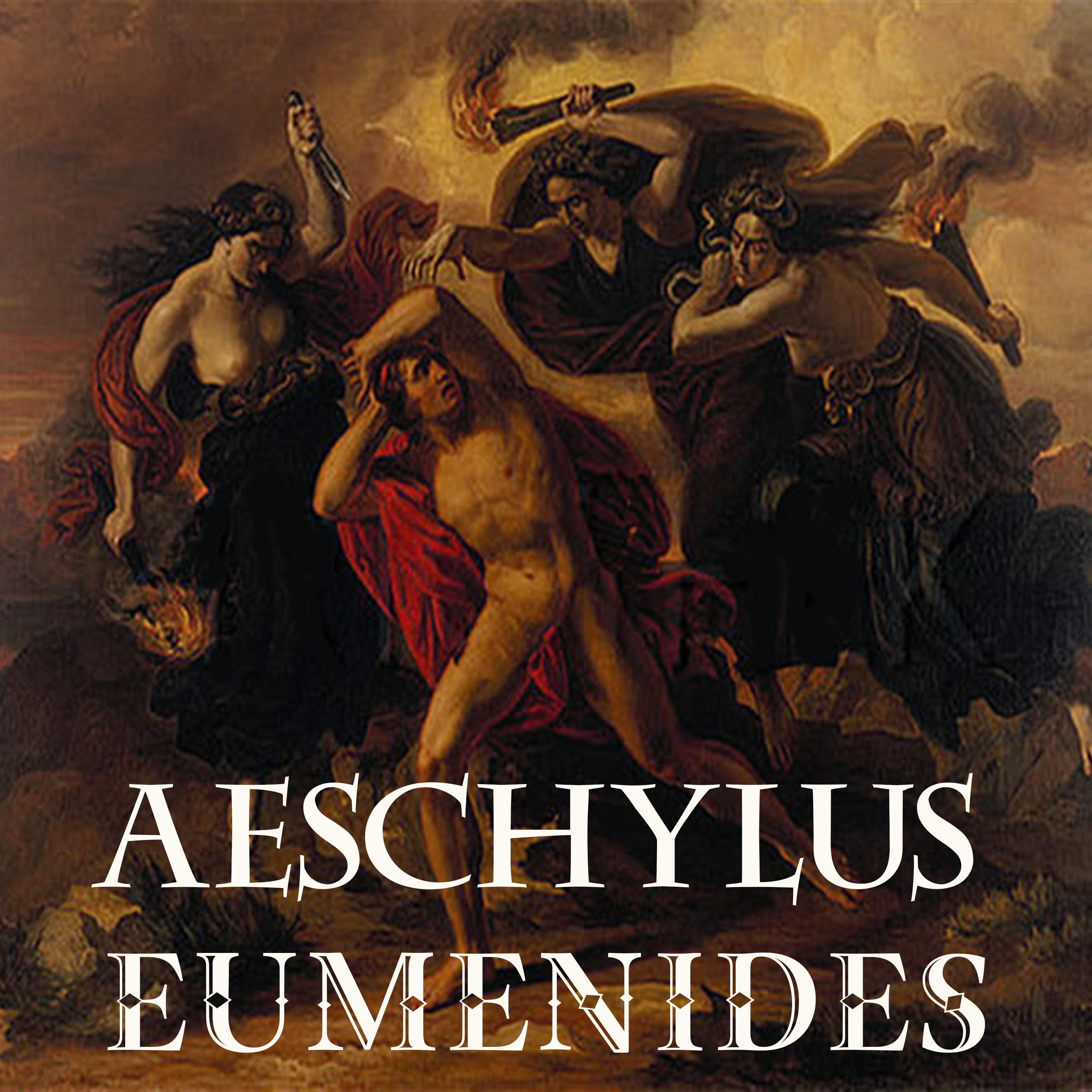
The final play of the Oresteia, called The Eumenides (Εὐμενίδες, Eumenídes), illustrates how the sequence of events in the trilogy ends up in the development of social order or a proper judicial system in Athenian society.

In this play, Orestes is hunted down and tormented by the Furies, a trio of goddesses known to be the instruments of justice, who are also referred to as the "Gracious Ones" (Eumenides). They relentlessly pursue Orestes for the killing of his mother. However, through the intervention of Apollo, Orestes is able to escape them for a brief moment while they are asleep and head to Athens under the protection of Hermes. Seeing the Furies asleep, Clytemnestra's ghost comes to wake them up to obtain justice on her son Orestes for killing her.

Ta pozycja jest dostępna przez Internet. Rozwiń informację, by zobaczyć szczegóły.
Dostęp do treści elektronicznej wymaga posiadania kodu dostępu, który można odebrać w bibliotece.
Audiobook
W koszyku

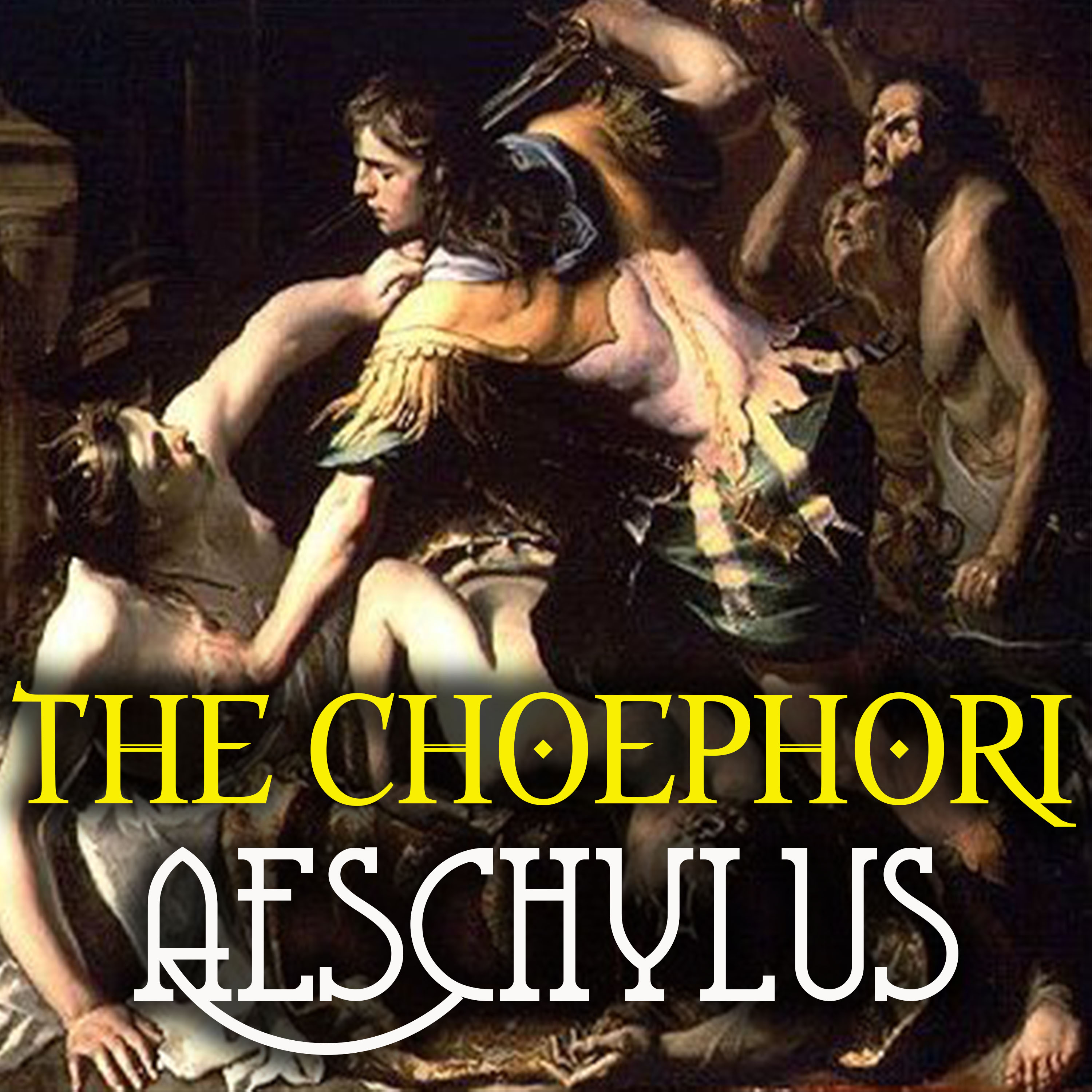
Produced in 458 BC, Aeschylus' Choephori is the second play in the Oresteian trilogy. The bloodshed begun in the first play with the murder of Agamemnon by his wife Clytemnestra is here continued when Agamemnon's son Orestes avenges his father's death by killing Clytemnestra. It is not until the third and final play, Eumenides, that peace is restored to the family of the Atreidae. The introduction discusses the pre-Aeschylean 'Orestes' tradition in literature and art, as well as the place of Choephori within the Oresteia, its imagery and dramatic structure, the questions of staging the play, and the manuscript tradition.

Ta pozycja jest dostępna przez Internet. Rozwiń informację, by zobaczyć szczegóły.
Dostęp do treści elektronicznej wymaga posiadania kodu dostępu, który można odebrać w bibliotece.
Audiobook
W koszyku
Forma i typ

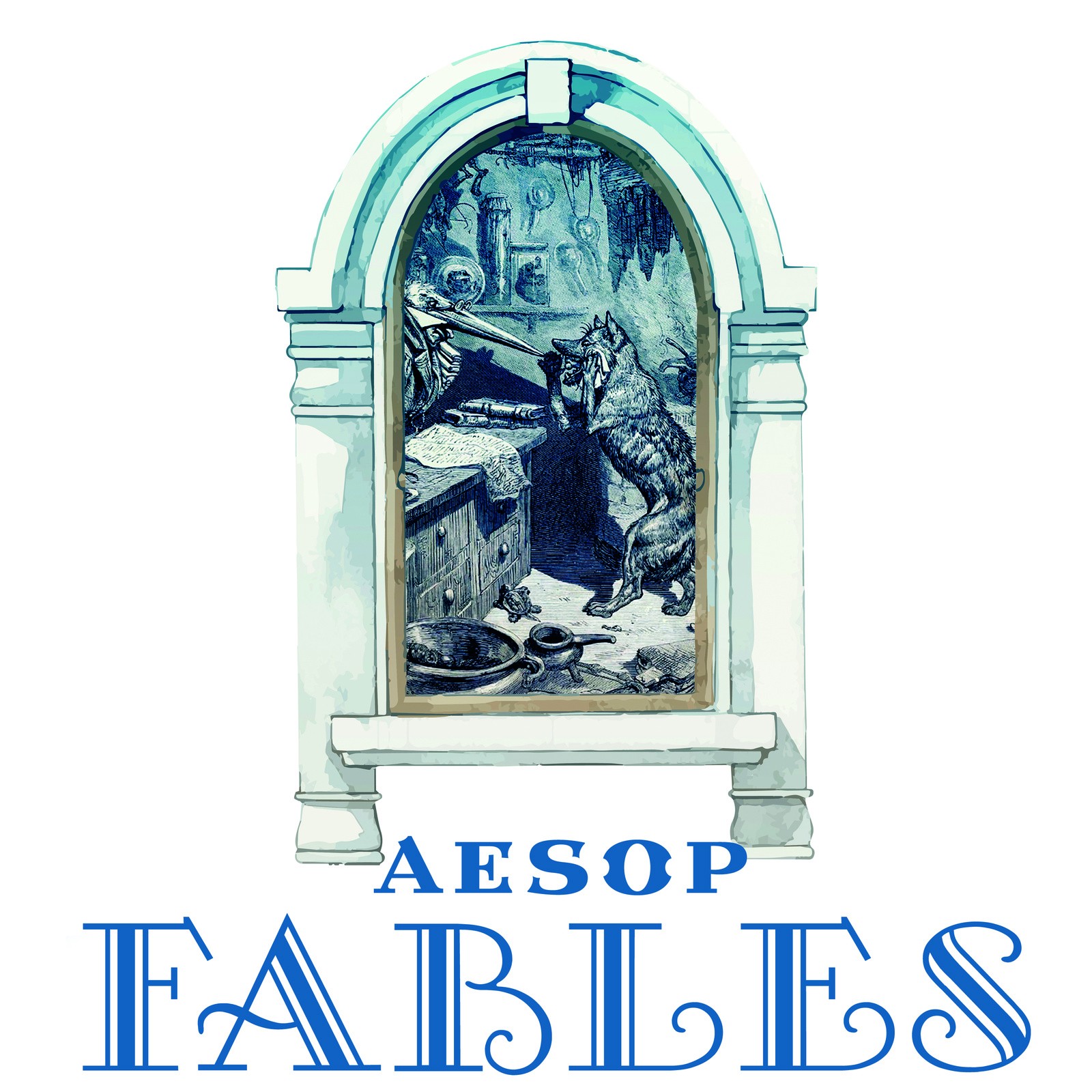
Aesop's Fables, or the Aesopica, is a collection of fables credited to Aesop, a slave and storyteller believed to have lived in ancient Greece between 620 and 564 BCE. Of diverse origins, the stories associated with his name have descended to modern times through a number of sources and continue to be reinterpreted in different verbal registers and in popular as well as artistic media.

The fables originally belonged to the oral tradition and were not collected for some three centuries after Aesop's death. By that time a variety of other stories, jokes and proverbs were being ascribed to him, although some of that material was from sources earlier than him or came from beyond the Greek cultural sphere. The process of inclusion has continued until the present, with some of the fables unrecorded before the later Middle Ages and others arriving from outside Europe. The process is continuous and new stories are still being added to the Aesop corpus, even when they are demonstrably more recent work and sometimes from known authors.

Manuscripts in Latin and Greek were important avenues of transmission, although poetical treatments in European vernaculars eventually formed another. On the arrival of printing, collections of Aesop's fables were among the earliest books in a variety of languages. Through the means of later collections, and translations or adaptations of them, Aesop's reputation as a fabulist was transmitted throughout the world.

Initially the fables were addressed to adults and covered religious, social and political themes.

Aesop's most famous fables include Raven and Fox, Man and Partridge, Rooster and Servant, Rooster and Diamond, Shepherd Joker, Jupiter and Snake, Jupiter and Bees, and The Lamb Chased By A Wolf, Jupiter And The Tortoise and more.

Ta pozycja jest dostępna przez Internet. Rozwiń informację, by zobaczyć szczegóły.
Dostęp do treści elektronicznej wymaga posiadania kodu dostępu, który można odebrać w bibliotece.
Audiobook
W koszyku

Little Women is a story that traces the lives of four sisters- gentle and agreeable Meg, straightforward and outspoken Joe, quiet and shy Beth, and dramatic and manipulative Amy. The novel shows the sisters’ life in Civil War New England and follows them as each of them matures and chooses her own life path. Originally created as a children’s novel, Little Women is a story that would be equally as interesting to an adult reader, as it is revolved around such themes as different versions of womanhood and a woman’s place in society.

Ta pozycja jest dostępna przez Internet. Rozwiń informację, by zobaczyć szczegóły.
Dostęp do treści elektronicznej wymaga posiadania kodu dostępu, który można odebrać w bibliotece.
E-book
W koszyku
Louisa May Alcott grew up among many of the well-known intellectuals of the day, such as Ralph Waldo Emerson, Nathaniel Hawthorne, Henry David Thoreau, and Henry Wadsworth Longfellow. Alcott was an abolitionist and a feminist and remained unmarried throughout her life. She known for her children's books, especially the classic Little Women (1868). This collection includes the best works of Louisa May Alcott: Little Women Eight Cousins Little Men: Life at Plumfield with Jo Rose in Bloom Good Wives Jo's Boys Jack and Jill Hospital Sketches An Old-Fashioned Girl Work: A Story of Experience Behind a Mask; or, a Woman's Power
Ta pozycja jest dostępna przez Internet. Rozwiń informację, by zobaczyć szczegóły.
Dostęp do treści elektronicznej wymaga posiadania kodu dostępu, który można odebrać w bibliotece.
Audiobook
W koszyku

"The Classic Collection of Dante Alighieri: The Divine Comedy, The New Life" offers readers an exquisite journey through Dante's masterworks. This volume includes "The Divine Comedy," Dante's epic exploration of Hell, Purgatory, and Paradise, alongside "The New Life," a poetic reflection on his love for Beatrice. Richly illustrated, this collection brings to life the vivid imagery and profound themes of Dante's timeless writings, making it an essential addition for lovers of classic literature and art.

The Divine Comedy

- Inferno

- Purgatory

- Paradise

The New Life

Ta pozycja jest dostępna przez Internet. Rozwiń informację, by zobaczyć szczegóły.
Dostęp do treści elektronicznej wymaga posiadania kodu dostępu, który można odebrać w bibliotece.
Audiobook
W koszyku

Inferno (Italian: [iɱˈfɛrno]; Italian for "Hell") is the first part of Italian writer Dante Alighieri's 14th-century epic poem Divine Comedy. It is followed by Purgatorio and Paradiso. The Inferno tells the journey of Dante through Hell, guided by the ancient Roman poet Virgil. In the poem, Hell is depicted as nine concentric circles of torment located within the Earth; it is the "realm ... of those who have rejected spiritual values by yielding to bestial appetites or violence, or by perverting their human intellect to fraud or malice against their fellowmen". As an allegory, the Divine Comedy represents the journey of the soul toward God, with the Inferno describing the recognition and rejection of sin.

An initial canto, serving as an introduction to the poem and generally considered to be part of the first cantica, brings the total number of cantos to 100.

Ta pozycja jest dostępna przez Internet. Rozwiń informację, by zobaczyć szczegóły.
Dostęp do treści elektronicznej wymaga posiadania kodu dostępu, który można odebrać w bibliotece.
Audiobook
W koszyku

The Divine Comedy (Italian: Divina Commedia [diˈviːna komˈmɛːdja]) is a long Italian narrative poem by Dante Alighieri, begun c. 1308 and completed in 1320, a year before his death in 1321. It is widely considered to be the pre-eminent work in Italian literature and one of the greatest works of world literature. The poem's imaginative vision of the afterlife is representative of the medieval world-view as it had developed in the Western Church by the 14th century. It helped establish the Tuscan language, in which it is written (also in most present-day Italian-market editions), as the standardized Italian language. It is divided into three parts: Inferno, Purgatorio, and Paradiso.

The narrative takes as its literal subject the state of souls after death and presents an image of divine justice meted out as due punishment or reward, and describes Dante's travels through Hell, Purgatory, and Paradise or Heaven, while allegorically the poem represents the soul's journey towards God, beginning with the recognition and rejection of sin (Inferno), followed by the penitent Christian life (Purgatorio), which is then followed by the soul's ascent to God (Paradiso). Dante draws on medieval Roman Catholic theology and philosophy, especially Thomistic philosophy derived from the Summa Theologica of Thomas Aquinas. Consequently, the Divine Comedy has been called "the Summa in verse". In Dante's work, the pilgrim Dante is accompanied by three guides:Virgil (who represents human reason), Beatrice (who represents divine revelation, theology, faith, and grace), and Saint Bernard of Clairvaux (who represents contemplative mysticism and devotion to Mary).

Ta pozycja jest dostępna przez Internet. Rozwiń informację, by zobaczyć szczegóły.
Dostęp do treści elektronicznej wymaga posiadania kodu dostępu, który można odebrać w bibliotece.
Audiobook
W koszyku

Hell The Divine Comedy (Italian: La Commedia, later La Divina Commedia) is a poem by Dante Alighieri, begun c. 1308 and completed in 1320, that gives the widest synthesis of medieval culture and world ontology. It is a real medieval encyclopedia of scientific, political, philosophical, moral and religious knowledges. It is considered to be the preeminent work in Italian and world literature. The Comedy is a result work of the whole second part of Dante’s life; it is his last and most mature creation. The poet’s view of the world is delivered in this work to the fullest extent. Dante acts here as the last great medieval poet; the poet who continues to develop medieval literature. Hell is represented in a form of a huge tunnel, consisting of concentric circles, which narrowing end approaches the centre of the earth. After going through the Hell’s threshold, where the souls of weak and vain people dwell, they enter the first Circle, Limbo that contains the souls of virtuous pagans who did not learn true belief but nearly approached it, so they were put out of hellfire. Dante watches here such representatives of Antic culture as Aristotle, Euripides, Homer etc. The Hell’s “antiquity” is inducted to underline that Antic culture is not signed by Christ, it is pagan and, as a result, it is not sinful.

Ta pozycja jest dostępna przez Internet. Rozwiń informację, by zobaczyć szczegóły.
Dostęp do treści elektronicznej wymaga posiadania kodu dostępu, który można odebrać w bibliotece.
Audiobook
W koszyku

Paradiso (Italian: [paraˈdiːzo]; Italian for "Paradise" or "Heaven") is the third and final part of Dante's Divine Comedy, following the Inferno and the Purgatorio. It is an allegory telling of Dante's journey through Heaven, guided by Beatrice, who symbolises theology. In the poem, Paradise is depicted as a series of concentric spheres surrounding the Earth, consisting of the Moon, Mercury, Venus, the Sun, Mars, Jupiter, Saturn, the Fixed Stars, the Primum Mobile and finally, the Empyrean. It was written in the early 14th century. Allegorically, the poem represents the soul's ascent to God.

While the structures of the Inferno and Purgatorio were based around different classifications of sin, the structure of the Paradiso is based on the four cardinal virtues (Prudence, Justice, Temperance, and Fortitude) and the three theological virtues (Faith, Hope, and Charity).

Ta pozycja jest dostępna przez Internet. Rozwiń informację, by zobaczyć szczegóły.
Dostęp do treści elektronicznej wymaga posiadania kodu dostępu, który można odebrać w bibliotece.
Audiobook
W koszyku

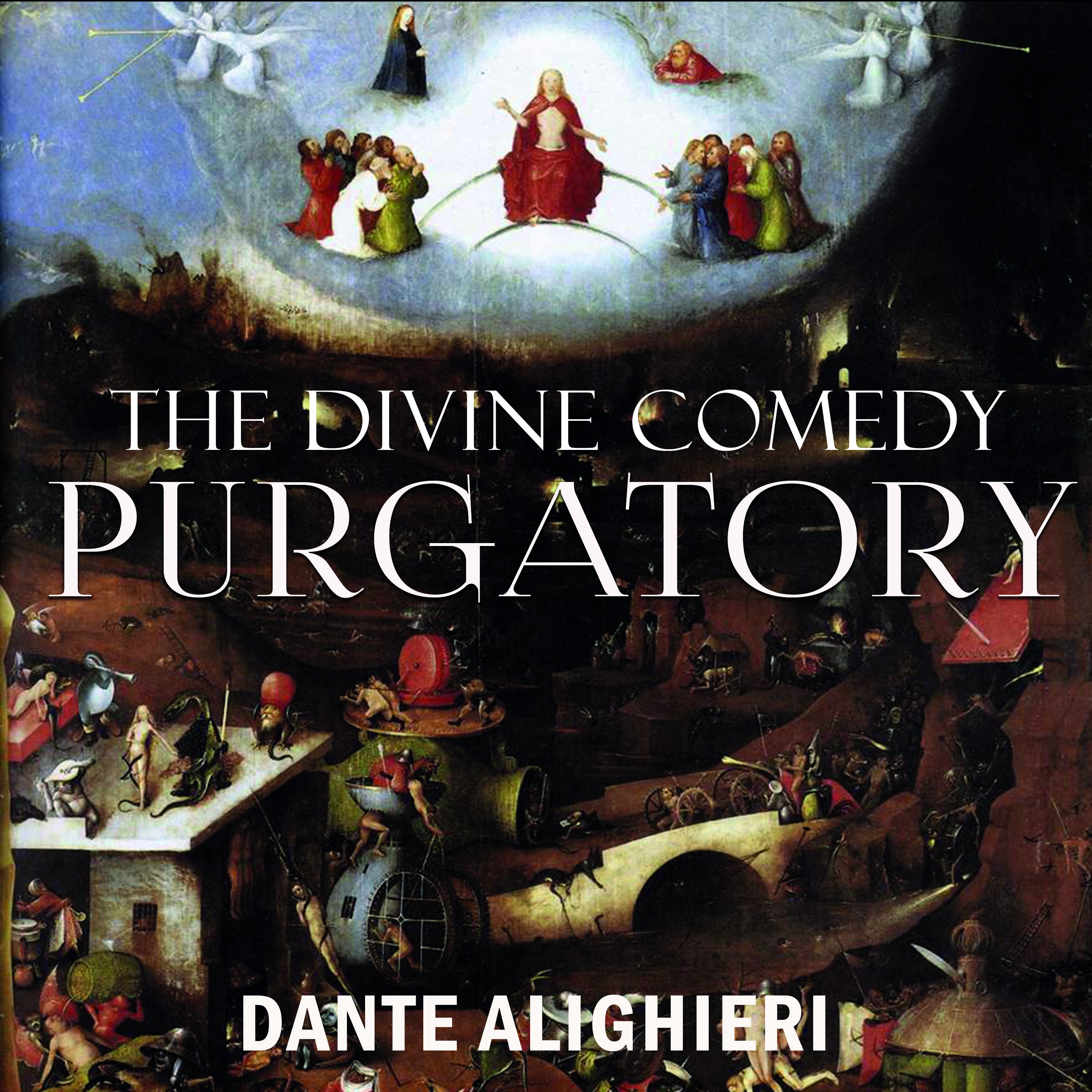
Purgatorio (Italian: [purɡaˈtɔːrjo]; Italian for "Purgatory") is the second part of Dante's Divine Comedy, following the Inferno, and preceding the Paradiso. The poem was written in the early 14th century. It is an allegory telling of the climb of Dante up the Mount of Purgatory, guided by the Roman poet Virgil, except for the last four cantos at which point Beatrice takes over as Dante's guide.

Purgatory in the poem is depicted as a mountain in the Southern Hemisphere, consisting of a bottom section (Ante-Purgatory), seven levels of suffering and spiritual growth (associated with the seven deadly sins), and finally the Earthly Paradise at the top. Allegorically, the Purgatorio represents the penitent Christian life. In describing the climb Dante discusses the nature of sin, examples of vice and virtue, as well as moral issues in politics and in the Church. The poem outlines a theory that all sins arise from love – either perverted love directed towards others' harm, or deficient love, or the disordered or excessive love of good things.

Ta pozycja jest dostępna przez Internet. Rozwiń informację, by zobaczyć szczegóły.
Dostęp do treści elektronicznej wymaga posiadania kodu dostępu, który można odebrać w bibliotece.
E-book
W koszyku
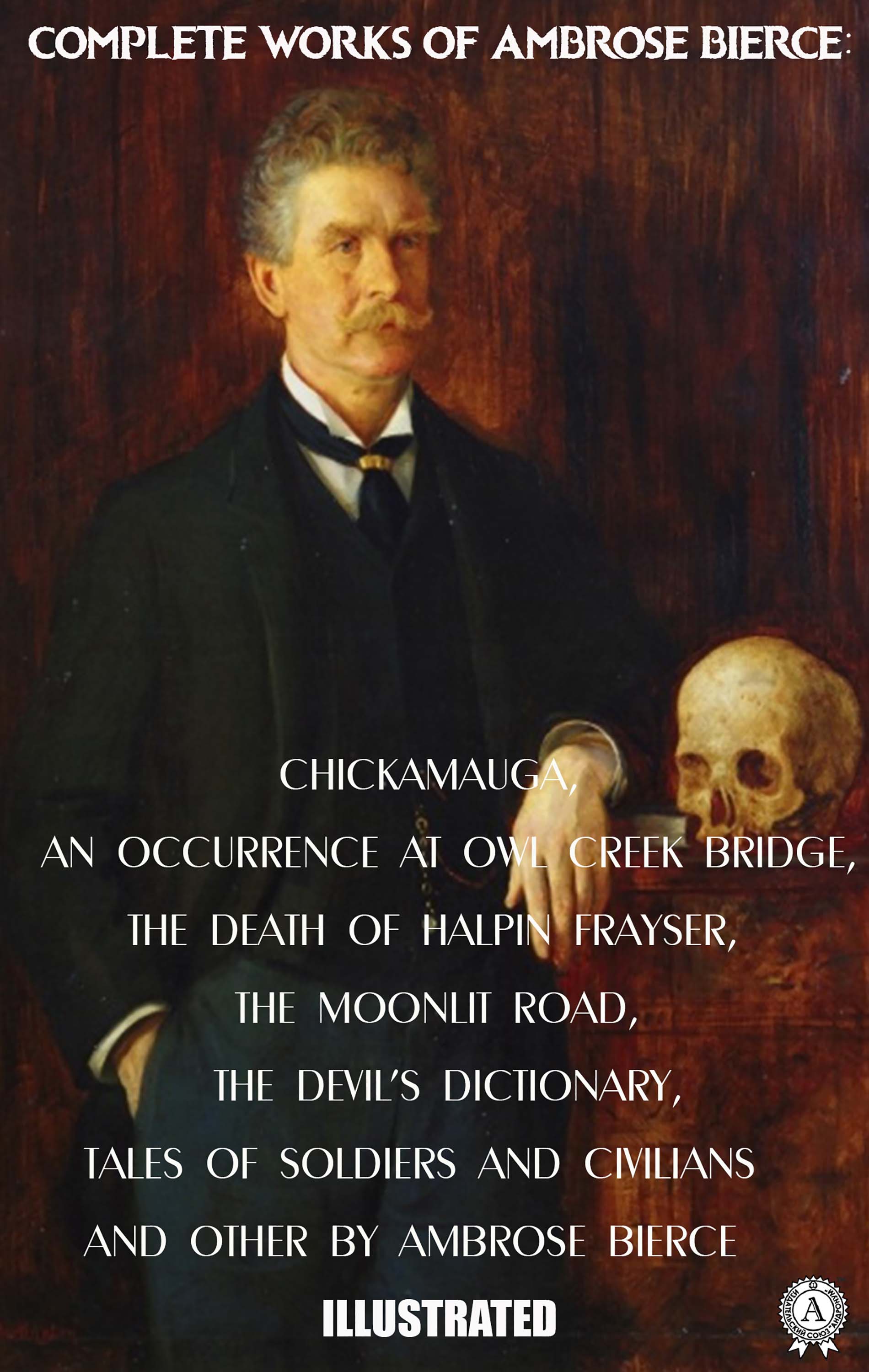
Ambrose Bierce is considered a modern master of the short story. A soldier with the Union Army during the American Civil War (1861-1865), his experiences as a soldier influenced his writing. While no anthology would be complete without "An Occurrence at Owl Creek Bridge", this collection of Bierce's stories includes ghost stories, tales of war, humorous episodes, stinging aphorisms, and political articles. Contents: The Novellas The Short Story Collections The Poetry Collection The Non-Fiction Ambrose Bierce: A Biography by Carey McWilliams
Ta pozycja jest dostępna przez Internet. Rozwiń informację, by zobaczyć szczegóły.
Dostęp do treści elektronicznej wymaga posiadania kodu dostępu, który można odebrać w bibliotece.
Audiobook
W koszyku

Bierce was born in a log cabin at Horse Cave Creek in Meigs County, Ohio, in 1842. First finding his voice in newspapers, Bierce became a prolific author of short stories often humorous and sometimes bitter or macabre. He is renowned as a pioneering writer of realist fiction. For his horror writing, Michael Dirda ranked him alongside Edgar Allan Poe and H.P. Lovecraft. His war stories influenced Stephen Crane, Ernest Hemingway, and others, and he was considered an influential and feared literary critic. He spoke out against oppression and supported civil and religious freedoms. In December 1913, Bierce traveled to Chihuahua, Mexico, to gain first-hand experience of the Mexican Revolution. He disappeared, and was rumored to be traveling with rebel troops. He was never seen again.

This collection includes the works of Ambrose Bierce:

The Death of Halpin Frayser

Chickamauga

An Occurrence at Owl Creek Bridge

Ta pozycja jest dostępna przez Internet. Rozwiń informację, by zobaczyć szczegóły.
Dostęp do treści elektronicznej wymaga posiadania kodu dostępu, który można odebrać w bibliotece.
E-book
W koszyku
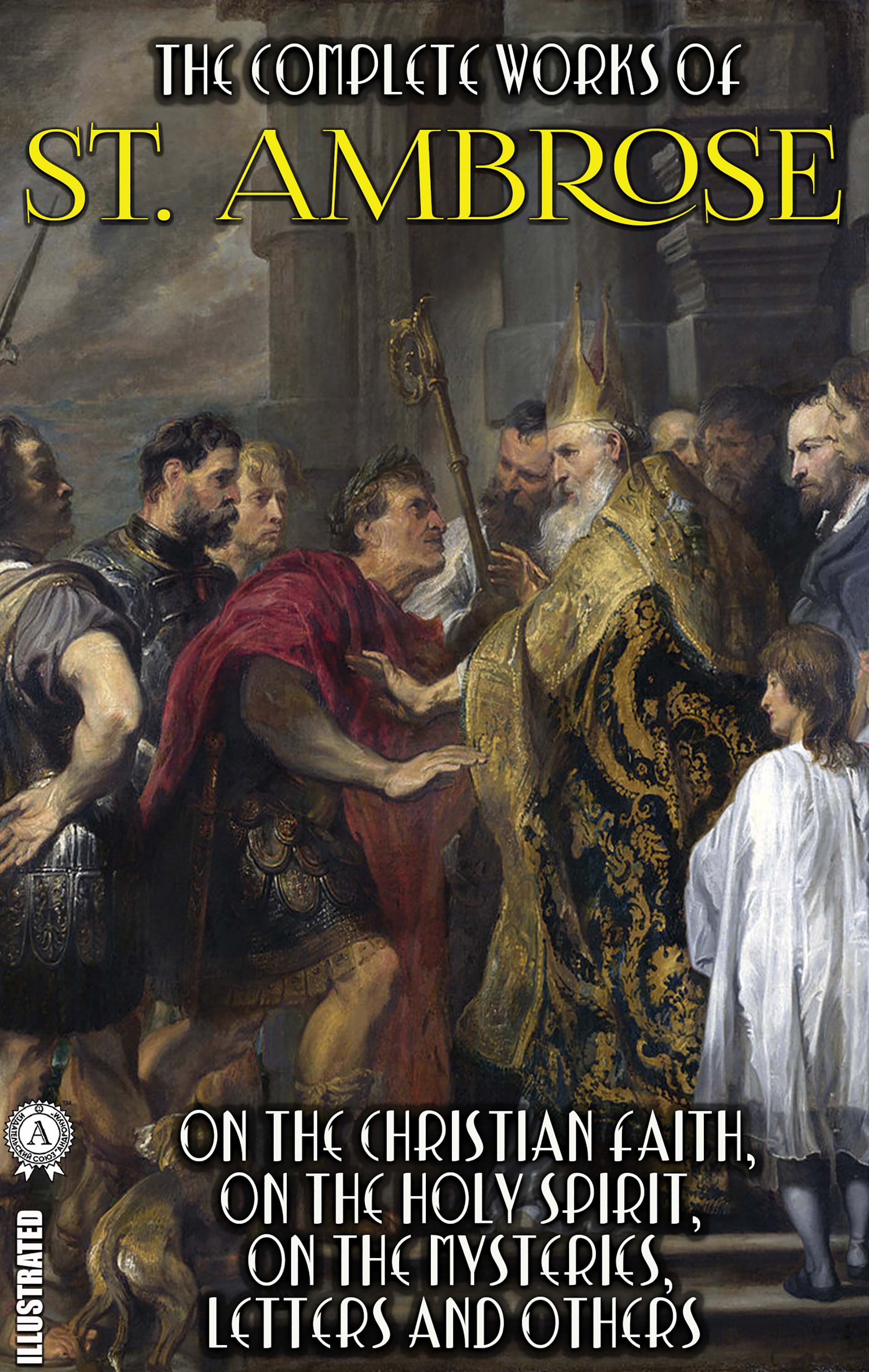
Saint Ambrose, also known as Aurelius Ambrosius, is one of the four original doctors of the Church. He was the Bishop of Milan and became one of the most important theological figure of the 4th century. He is considered a saint by the Catholic Church, Eastern Orthodox Church, Anglican Communion, and various Lutheran denominations, and venerated as the patron saint of Milan. Ambrose's intense episcopal consciousness furthered the growing doctrine of the Church and its sacerdotal ministry, while the prevalent asceticism of the day, continuing the Stoic and Ciceronian training of his youth, enabled him to promulgate a lofty standard of Christian ethics. Thus we have the De officiis ministrorum, De viduis, De virginitate and De paenitentia. In De Officiis, the most influential of his surviving works, and one of the most important texts of patristic literature, he reveals his views connecting justice and generosity by asserting these practices are of mutual benefit to the participants. Contents: Exposition of the Christian Faith On the Holy Spirit On the Mysteries Concerning Repentance On the Duties of the Clergy Concerning Virginity Concerning Widows On the Death of Satyrus The Memorial Letters
Ta pozycja jest dostępna przez Internet. Rozwiń informację, by zobaczyć szczegóły.
Dostęp do treści elektronicznej wymaga posiadania kodu dostępu, który można odebrać w bibliotece.
Audiobook
W koszyku

Anacreon (582 BCE–485 BCE) was a Greek lyric poet born in Teos, an Ionian city on the coast of Asia Minor. He likely moved to Thrace in 545 BCE with others from his city when it was attacked by Persians. He then moved to Samos, to Athens, and possibly again to Thessaly, seeking a safe place to write his poems as his patrons (including Polycrates, tyrant of Samos, and Hipparchus, brother of Athenian tyrant Hippias) kept being murdered. It is unknown where Anacreon died, though he lived to the unusually advanced age of 85.

Few of Anacreon’s works survive, but those that do focus on wine, love (homosexual and heterosexual), and the overall pleasures of the legendary Roman symposium. Anacreon used various techniques in his writings, including self-deprecation and irony. The collection of miscellaneous Greek poems from the Hellenistic Age and beyond known as the Anacreontea was “mistakenly labeled” with Anacreon’s name. Despite later appreciation for Anacreon’s true poems, his works were not appreciated during his lifetime.

This work is a collection of the Odes of Anacreon, translated into English by Thomas Moore.

Ta pozycja jest dostępna przez Internet. Rozwiń informację, by zobaczyć szczegóły.
Dostęp do treści elektronicznej wymaga posiadania kodu dostępu, który można odebrać w bibliotece.
Pozycja została dodana do koszyka. Jeśli nie wiesz, do czego służy koszyk, kliknij tutaj, aby poznać szczegóły.
Nie pokazuj tego więcej